 Save
Save There's something about the smell of cumin hitting hot oil that makes me pause whatever else I'm doing. Years ago, a friend stirred a pot of black bean soup in her tiny kitchen while rain drummed against the window, and I watched the whole thing come together in less than an hour. That soup tasted like comfort wrapped in a bowl, the kind of dish that doesn't demand much from you but gives everything back. Now I find myself making it whenever the weather turns, or honestly, whenever I need a quiet moment in the kitchen.
My grandmother once made a version of this for a potluck, and people kept coming back to ask for the recipe. She'd never written it down, just cooked from muscle memory and taste, so she had to stand there reconstructing it from memory while stirring a fresh batch. That conversation taught me that the best recipes are the ones you actually make, not the ones you read about once.
Ingredients
- Olive oil: Two tablespoons is enough to coat the pot and build a flavorful base without making the soup heavy.
- Yellow onion: The foundation of the whole thing, so don't skip dicing it fine—it practically melts into the broth and carries all the other flavors.
- Garlic: Two cloves is modest, but they bloom so quickly once the onions soften that you'll smell exactly when they're ready.
- Carrot and celery: Together they create a gentle sweetness that balances the spices and deepens the broth naturally.
- Black beans: Canned ones work beautifully here, but rinse them well to remove the starchy liquid that can muddy the flavor.
- Diced tomatoes: Don't drain them—that juice is liquid gold for the broth and adds brightness against all those warm spices.
- Vegetable broth: Four cups gives you that silky base that makes the whole bowl feel luxurious without being heavy.
- Ground cumin: One teaspoon is the quiet hero, warming everything and making the soup taste rounded and complete.
- Smoked paprika: This is where the depth lives, so don't reach for regular paprika by accident—the smoke is what makes you come back for another spoonful.
- Chili powder: A teaspoon adds gentle heat and earthy notes that ground the brighter spices.
- Dried oregano: Half a teaspoon feels small but it carries this Mediterranean whisper through the whole pot.
- Ground coriander: Another half teaspoon that most people don't notice individually but absolutely would miss if it wasn't there.
- Salt and pepper: Start conservative, taste as you go, and trust that you'll know when it's right.
- Cayenne: A pinch only if you want real heat, but honestly the soup sings without it.
Tired of Takeout? 🥡
Get 10 meals you can make faster than delivery arrives. Seriously.
One email. No spam. Unsubscribe anytime.
Instructions
- Build your aromatic base:
- Heat the olive oil over medium heat and add the onion, carrot, and celery together. Watch how they soften and turn translucent at the edges after about five minutes—that's when you know they're ready to welcome the garlic.
- Bloom the garlic:
- Once the vegetables are soft, add the minced garlic and let it cook for just one minute. You'll smell when it's done, that sharp raw edge disappearing into something warm and inviting.
- Toast your spices:
- Add cumin, smoked paprika, chili powder, oregano, coriander, salt, pepper, and cayenne all at once. Stir constantly for about a minute and watch the spices release their fragrance—this is where the magic begins.
- Bring everything together:
- Pour in the black beans, tomatoes with their juices, and vegetable broth, stirring as you go. The pot will smell incredible and rich already, though the real transformation is still coming.
- Let it simmer:
- Bring the whole thing to a boil, then turn it down to a gentle simmer for about 25 minutes uncovered. Stir occasionally and notice how the flavors deepen and settle into each other.
- Create that creamy texture:
- Take an immersion blender and pulse it through the soup, leaving some beans and vegetables whole for texture. If you don't have an immersion blender, carefully transfer half the soup to a regular blender, blend it smooth, and pour it back in.
- Taste and adjust:
- This is the moment where it becomes yours. Taste it, add more salt if needed, maybe squeeze of lime juice if you want brightness.
- Serve with intention:
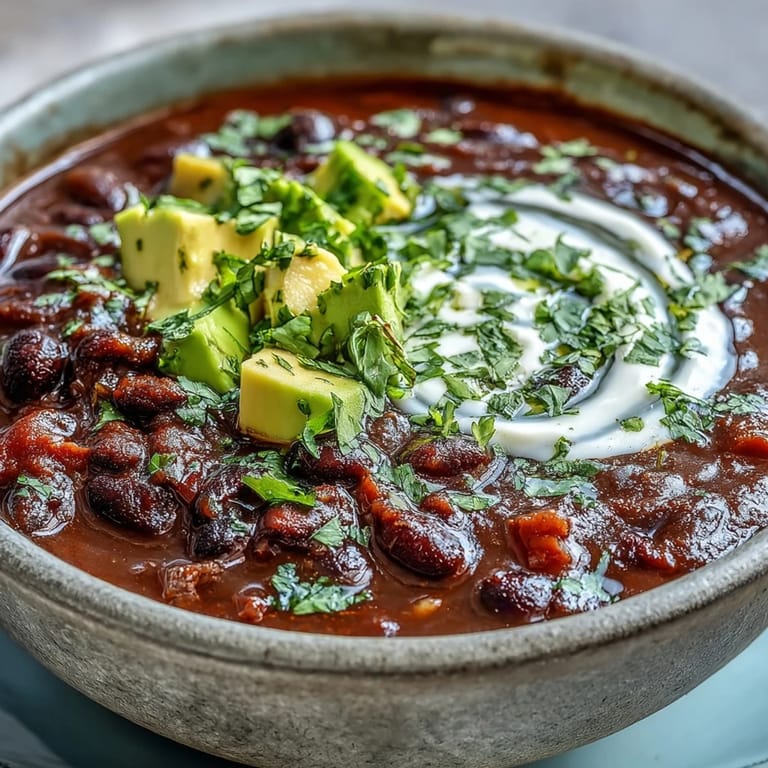
- Ladle it into bowls and top with whatever calls to you—cilantro, avocado, a dollop of sour cream, lime wedges, or just eat it plain and let the soup speak for itself.
 Save
Save I made this soup the evening before a friend moved away, and we sat together eating it while she told stories about her new city. Food does that sometimes—it becomes the quiet backdrop to moments that matter. Every time I make it now, I think of her and that conversation, and somehow the soup always tastes a little bit like goodbye and hello at the same time.
The Magic of Partial Blending
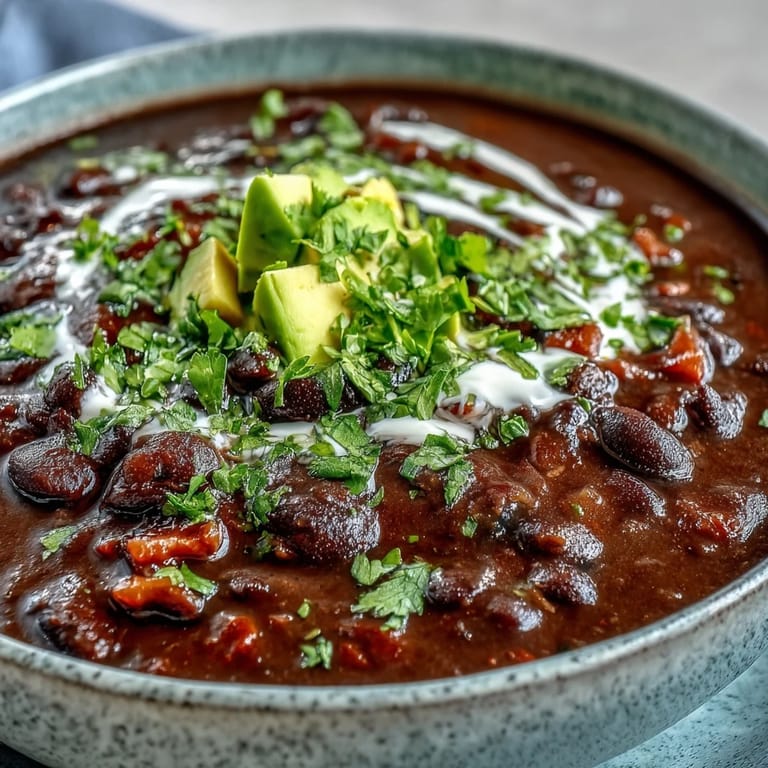
The texture is what separates a good soup from one you actually crave. If you blend the whole pot, you get something smooth but somehow one-dimensional. By leaving half of it chunky, you get both the creamy comfort and the satisfying bite of actual beans and vegetables. It's the difference between a soup that feels like lunch and one that feels like a real meal.
Storage and Make-Ahead Magic
This soup might be the best argument for batch cooking I know. Make a double batch and freeze half of it in containers for later—it actually tastes better after sitting for a day because the spices have time to truly settle. Come a Tuesday night when you're exhausted, thaw it, warm it gently, and you've got dinner waiting for you.
Customizing Your Bowl
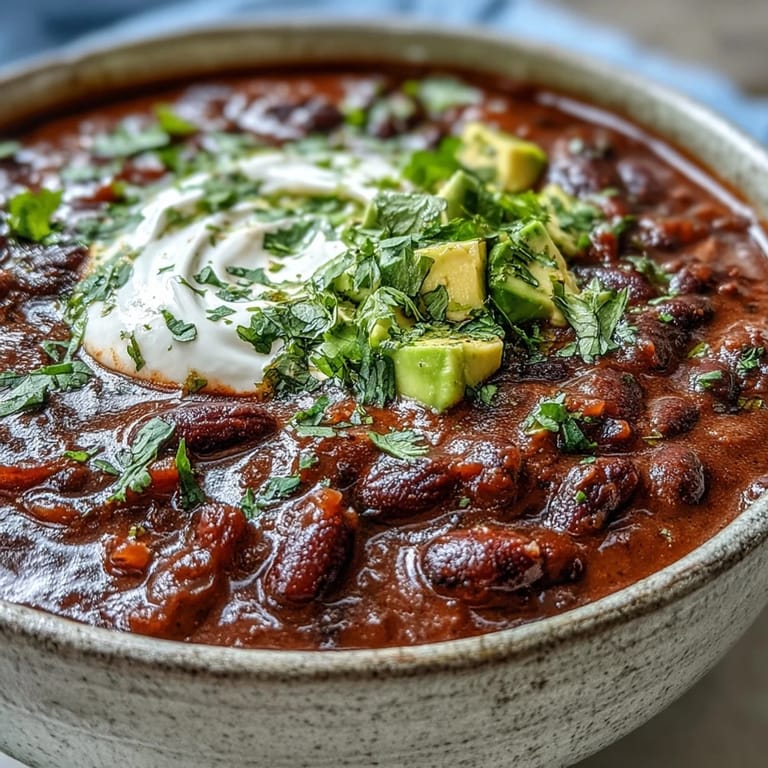
One of the joys of this soup is that it's a blank canvas. Serve it to different people and they'll garnish it differently, and it's still the same soup but somehow a little bit their own. Some people load theirs with avocado and sour cream, making it almost a warm chili. Others just want cilantro and lime. There's no wrong way to finish it.
- A splash of coconut milk stirred in at the end makes it richer and slightly sweet, perfect if you want to balance the spices.
- Add a fresh jalapeño when you sauté the vegetables if you like real heat without any apologies.
- Save the garnishes in small bowls and let people build their own—it makes the whole experience feel more like cooking together than eating something prepared.
 Save
Save This soup tastes like coming home to a warm kitchen, like someone cares enough to make something real. Share it with people you like.
Recipe FAQs
- → Can I use dried black beans instead of canned?
Yes, you can substitute 1.5 cups of dried black beans. Soak them overnight, then cook until tender before using in the soup. This will add about 1-2 hours to your total preparation time.
- → How do I make this soup spicier?
Add a chopped jalapeño or serrano pepper when sautéing the vegetables, increase the cayenne pepper, or stir in hot sauce to taste. You can also garnish with sliced fresh chilies.
- → Can this soup be made ahead of time?
Absolutely. This soup tastes even better the next day as the flavors meld together. Store in an airtight container in the refrigerator for up to 5 days or freeze for up to 2 months.
- → What can I serve with black bean soup?
Pair it with cornbread, tortilla chips, crusty bread, or a side salad. For a heartier meal, serve over rice or with quesadillas on the side.
- → How thick should the soup be?
The consistency should be creamy but still pourable. If it's too thick, add more vegetable broth. If too thin, simmer longer uncovered or blend more of the beans to thicken.
- → Is this soup suitable for meal prep?
Yes, it's excellent for meal prep. Portion into individual containers and refrigerate. The soup may thicken when cold, so add a splash of broth when reheating.