 Save
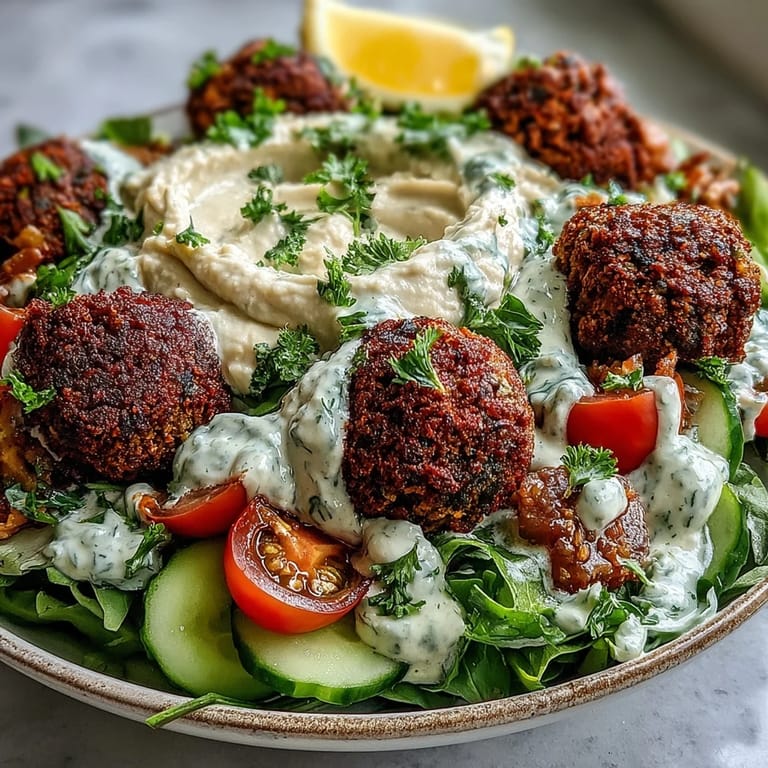
Save My friend Mira swore by these bowls during a sweltering August when nobody wanted to turn on the oven, and I understood instantly the first time I assembled one. The layers just work together—crispy, cool, creamy, bright—and somehow it feels fancy enough for guests while being simple enough for a Tuesday lunch. There's something about the way the tahini sauce pools into the hummus that made me realize this wasn't just a salad with falafel tossed on top.
I made this for my sister's book club on a random Thursday evening, and everyone went quiet for a moment after the first bite, which is the truest compliment a home cook can get. She texted me three days later asking for the recipe because her roommate had already requested it twice. That's when I realized this bowl wasn't just food—it was the kind of thing people actually want to recreate in their own kitchens.
Ingredients
- Store-bought or homemade falafel (12 balls): Use store-bought if you want to keep this stress-free, or make your own the night before and reheat gently—I've found homemade stays crispier if you don't refrigerate them longer than a few hours.
- Hummus (1 cup): This is your creamy anchor, so splurge a little on a good one or make it yourself if tahini is already in your pantry.
- Tzatziki (1 cup): The cool, tangy element that keeps everything from feeling heavy—Greek yogurt based and worth seeking out for the cucumber bite.
- Tahini sauce (1/4 cup): Drizzle it generously; this is where the nutty richness comes from, and it deserves respect.
- Mixed salad greens (4 cups): Arugula gives peppery kick, spinach adds earthiness, romaine brings crunch—pick what speaks to you or use whatever's freshest.
- Cherry tomatoes (1 cup, halved): Their sweetness balances the earthiness of everything else; cutting them in half keeps them from rolling around.
- Cucumber (1/2 cup, sliced): Keep the skin on for color and texture; thin slices mean they nestle nicely between other components.
- Red onion (1/4 cup, thinly sliced): Raw onion adds bite and color contrast, though you can soak it in lime juice for five minutes if the rawness feels too sharp.
- Shredded carrots (1/4 cup): They add sweetness and visual brightness; buy them pre-shredded if you're short on time and nobody judges.
- Fresh parsley (2 tablespoons, chopped): The final green note that keeps everything tasting fresh rather than heavy.
- Toasted sesame seeds (1 tablespoon): Toast them yourself in a dry pan for thirty seconds if you have time—the difference in flavor is noticeable and worth those thirty seconds.
- Lemon wedges for serving: A squeeze of acid just before eating brightens everything up and ties the bowl together.
Tired of Takeout? 🥡
Get 10 meals you can make faster than delivery arrives. Seriously.
One email. No spam. Unsubscribe anytime.
Instructions
- Warm your falafel gently:
- If using store-bought, follow the package instructions—usually a quick warm in a 375°F oven for about eight minutes keeps them crispy without drying them out. Homemade falafel should be set aside on a paper towel if freshly fried so they don't steam themselves soggy.
- Create your creamy base:
- Scoop a generous palm-sized amount of hummus onto the center of each bowl, then dollop tzatziki alongside it—they should be touching but not completely mixed together yet. The contrast of the two white bases with their different textures makes the whole thing more interesting.
- Build your green layer:
- Pile your mixed greens over and around the hummus and tzatziki, pressing gently so they nestle in and stay put. Leave little gaps so you can see the creamy base peeking through.
- Arrange your vegetables with intention:
- Scatter your tomatoes, cucumber, red onion, and carrots over the greens—think about color distribution so no one area looks bare. This is where the bowl goes from food to something that looks like it belongs on a table.
- Position your falafel:
- Nestle three falafel balls per serving on top of the vegetable layer, letting them rest against the greens so they stay propped up and visible. This isn't just about eating them—it's about showing them off.
- Drizzle with purpose:
- Take your tahini sauce and create loose swirls across the bowl, letting it settle into the hummus and pool in spots where people will naturally dig their fork. A generous hand here makes the difference between adequate and memorable.
- Finish and serve:
- Sprinkle parsley and sesame seeds over everything, add a lemon wedge to the side, and serve immediately so the falafel stays crispy. Squeeze that lemon wedge over the top just before eating.
 Save
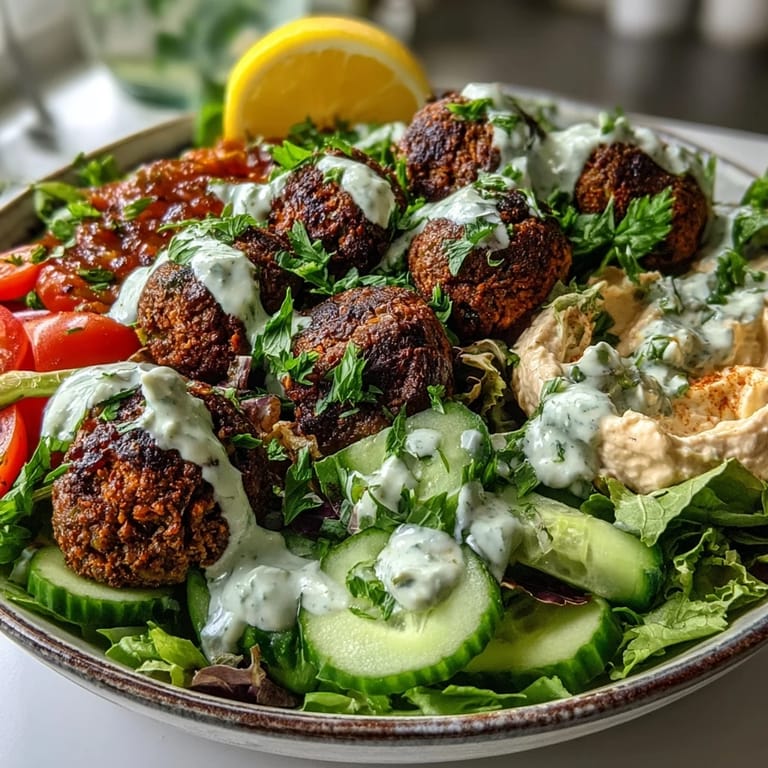
Save My mom watched me assemble these bowls for her book club and then asked me to teach her how to make them, which somehow felt like permission to stop trying to find restaurant versions when I could just make them at home. Now she makes them for her friends, and I get texts from people I've never met thanking me for changing their lunch routine.
Why This Bowl Works as a Meal
This isn't just a salad you eat as a side dish—it's complete and grounding enough to be your dinner, with protein from the chickpea-based falafel and fat from the tahini and hummus keeping you satisfied for hours. The combination of warm falafel against cool greens and creamy spreads creates such an interesting temperature and texture contrast that it never gets boring, even when you make it twice in one week like I did during a particularly stressful month. Add cooked quinoa or brown rice if you want to stretch it further, but honestly, the falafel does enough heavy lifting on its own.
Building Your Own Falafel Bowl
The beauty of this recipe is how customizable it is without ever losing what makes it work—I've made versions with pickled red onions instead of raw, added kalamata olives when someone mentioned they missed that briny element, and once threw in some crispy chickpeas for extra crunch because I was feeling experimental. You could layer cooked farro or freekeh instead of greens if you want something more substantial, or swap the tzatziki for labneh if you find it at the market and want something even creamier.
Making It Your Own
The first time I made this for a vegan friend, I panicked thinking I'd messed up the whole meal, but then I realized I could just skip the tzatziki and nobody would notice because everything else is inherently plant-based. Now I make a vegan version for myself sometimes because it's actually lighter and somehow tastes fresher, though I do love the cool richness the yogurt brings when I'm not restricting dairy.
- Keep store-bought falafel on hand in your freezer so you can make this bowl whenever the craving hits without planning ahead.
- Batch your vegetable prep on Sunday so assembly takes literally five minutes any night you're tired and want something that feels special anyway.
- Taste everything before you plate it—that lemon wedge becomes essential if your hummus was bland or your tahini feels one-note.
 Save
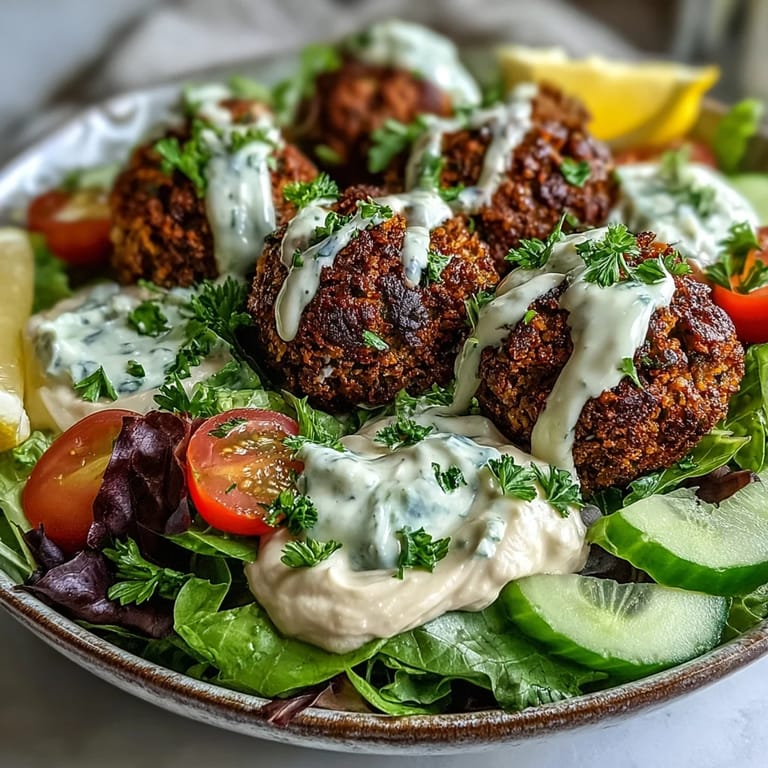
Save This bowl has become my go-to answer whenever someone asks what I'm making for dinner, because it delivers on taste without requiring me to spend hours in the kitchen. It's the kind of meal that tastes like you care, even on nights when you're just using ingredients you already had in the fridge.
Recipe FAQs
- → Can I make this bowl vegan?
Yes, simply use dairy-free tzatziki or omit it entirely. The remaining components are naturally plant-based.
- → How long do leftovers keep?
Store components separately in airtight containers. Falafel stays fresh for 3-4 days, while vegetables and sauces keep for up to 5 days when refrigerated.
- → What protein options work well?
Besides traditional chickpea falafel, try lentil-based versions or add grilled chicken or shrimp for non-vegetarian variations.
- → Can I prepare this ahead?
Prep vegetables and sauces in advance, but assemble bowls just before serving to maintain texture and prevent sogginess.
- → What beverages pair best?
Crisp white wines like sauvignon blanc or pinot grigio complement the flavors beautifully. Mint tea offers a refreshing non-alcoholic option.