 Save
Save There's something about the smell of celery hitting hot butter that makes a kitchen feel instantly alive. My grandmother used to say celery was the backbone of any respectable soup, and it took me years to stop dismissing it as just background noise in a dish. One quiet Tuesday, when I had nothing but vegetables in the crisper drawer and the need for something warm, I finally understood what she meant—a silky celery soup, infused with fresh herbs and finished with a whisper of cream, became the kind of comfort that doesn't announce itself loudly but settles into you completely.
I made this for a friend who was recovering from a rough week, and I watched her face soften as she brought the first spoonful to her lips. She didn't say much, but she asked for the recipe before she left, and that told me everything. There's a kind of magic in feeding someone something that tastes simple but feels thoughtful, and this soup has that quality in spades.
Ingredients
- Unsalted butter, 2 tbsp: Use real butter here—it won't take much, but it builds the flavor foundation that plant milk alone can't quite reach.
- Medium onion, chopped: Don't skip this step of getting it soft and sweet; it's what makes people taste celery without tasting celery.
- Celery stalks, 6 sliced (about 400 g): Use the tender inner stalks if you can—they blend smoother and taste less bitter than the tough outer ones.
- Medium potato, peeled and diced: This is your thickener without any cream or flour tricks; it creates the silky texture naturally.
- Garlic cloves, 2 minced: One minute in the pan is enough—garlic turns harsh and metallic if you let it linger too long.
- Vegetable broth, 4 cups (1 liter): A good broth matters here since there's nothing to hide behind; taste it first and use the best one you can find.
- Whole milk or plant-based milk, 1 cup (240 ml): Stir it in at the very end so it keeps its delicate nature and doesn't curdle.
- Bay leaf, 1: This one leaf holds back bitterness and rounds out the herb garden flavor profile.
- Fresh parsley, 2 tbsp chopped plus extra: The parsley is your brightness; don't cook it to death, add most of it right before serving.
- Fresh dill, 1 tbsp chopped: Dill can overpower if you're heavy-handed, so measure carefully and taste as you go.
- Fresh chives, 1 tbsp chopped: These add a whisper of onion without the sharpness; they're the last word before you ladle.
- Salt and freshly ground black pepper: Taste before you season; the broth may already carry salt, so hold back and adjust.
- Heavy cream or crème fraîche, 2 tbsp optional: A small swirl changes everything—it catches the light and makes the soup feel special.
- Crusty bread, for serving: Something to soak up the last spoonful and give your hands something to do while you talk.
Tired of Takeout? 🥡
Get 10 meals you can make faster than delivery arrives. Seriously.
One email. No spam. Unsubscribe anytime.
Instructions
- Start with butter and patience:
- Melt your butter over medium heat and let it get foamy before the onion goes in. This takes three or four minutes for the onion to turn translucent and soft, and you'll know it's ready when the kitchen smells sweet instead of raw.
- Build your vegetable base:
- Slide in the celery and potato, stirring every minute or so until they start to soften at the edges. This is where you're coaxing out the natural sweetness without any browning—about five to seven minutes of gentle cooking.
- Wake it up with garlic:
- A minute of garlic is all you need; watch it carefully and listen for the sizzle to tell you when to move forward. The whole kitchen shifts when garlic joins in.
- Pour in the broth and simmer:
- Bring everything to a gentle simmer with the bay leaf tucked in, then cover and let time do the work for fifteen to eighteen minutes. The vegetables will go from firm to almost melting, which is exactly what you want.
- Add milk and fresh herbs:
- Fish out the bay leaf, then stir in your milk and herbs right before blending. The herbs are brightest when they've had barely any heat, so this two-minute simmer is just to marry the flavors.
- Blend until silk:
- An immersion blender held at an angle works beautifully here, but a countertop blender in careful batches does just as well. You're looking for a texture so smooth it coats the back of a spoon.
- Taste and adjust:
- Return the soup to the pot if you've used a countertop blender, then taste before you season. Salt and pepper are your final instruments—use them wisely to bring out what's already there.
- Serve and finish:
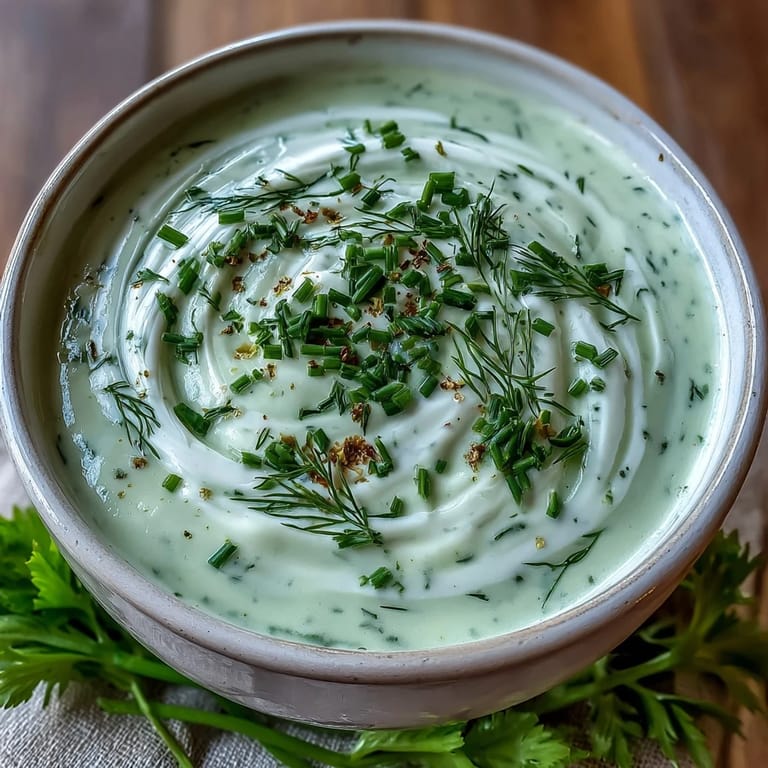
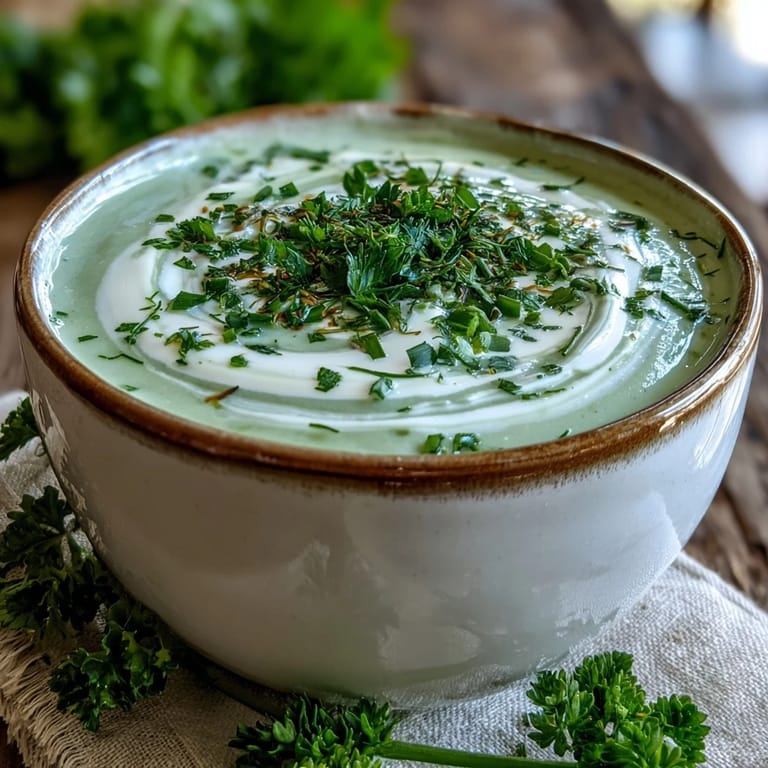
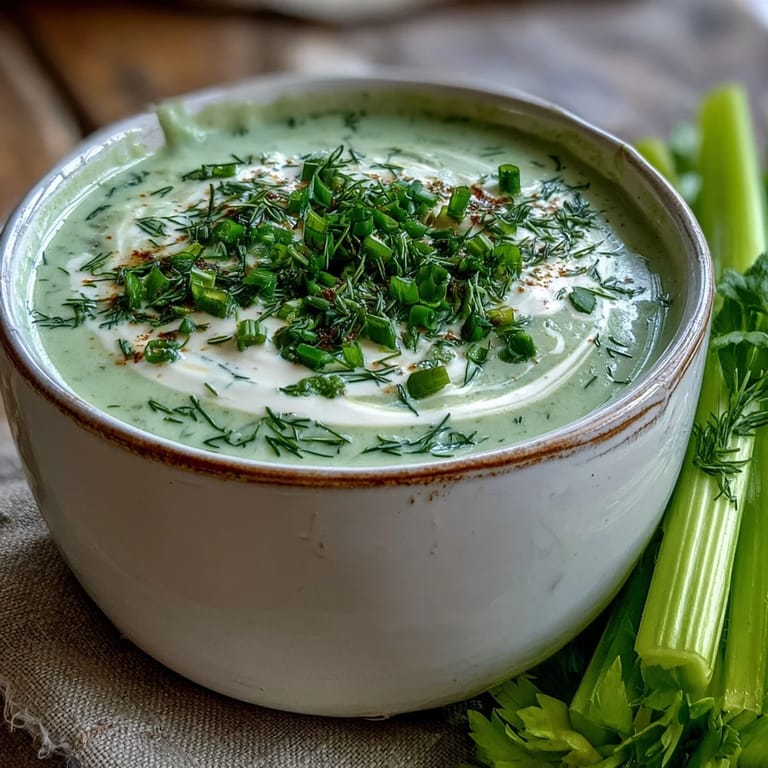
- Ladle into warm bowls, add a small swirl of cream if you have it, and let extra herbs scatter across the top like you meant for them to land there. Serve alongside bread that's begging to be dunked.
 Save
Save There was a moment when a friend's daughter, who usually picks around vegetables, asked for seconds. Sometimes the best compliment isn't what someone says but what they do when they think no one's watching.
Why Fresh Herbs Make All the Difference
I used to think dried herbs were the same as fresh, just concentrated, and I was very wrong. Fresh herbs in this soup aren't just flavor—they're the light that keeps it from tasting heavy or one-dimensional. Dill brings anise notes, parsley keeps everything grounded, and chives add a soft whisper of allium that makes you wonder what you're tasting without being able to name it. The moment you blend the soup and realize it still tastes bright instead of muted is the moment you stop reaching for the dried jar.
Texture Matters More Than You Think
Creamy soups live or die by their texture, and the potato does all the heavy lifting here without any flour or cream tricks. As it cooks down and breaks apart in the blender, it creates a natural thickener that's velvety but not heavy. I've learned that cooking the potato long enough—those full fifteen to eighteen minutes—means you're not fighting lumps or graininess in the blender; instead, you get something that feels like velvet on your tongue.
Variations That Keep It Interesting
This recipe is a canvas, and once you've made it once, you'll start seeing all the ways to dress it up without losing what makes it special. A pinch of nutmeg warms the whole thing from the inside, white wine added after the onion mellows the vegetables beautifully, and even a handful of fresh tarragon swapped for dill takes it somewhere else entirely. The base is sturdy enough to play with, which means you can make it a hundred times without it ever feeling quite the same.
- For vegan cooks, swap the butter for olive oil and use plant-based milk and cream, and it loses nothing in translation.
- This soup freezes brilliantly without the cream, so double the batch and thank yourself later.
- If you find the soup too thick after blending, warm broth thinned it gracefully without diluting flavor.
 Save
Save This soup asks very little of you but gives back warmth, flavor, and that feeling of having made something that matters. Keep this close for those moments when you need to feed people well but don't have the energy for anything complicated.
Recipe FAQs
- → Can I make this soup vegan?
Yes, simply use plant-based butter, unsweetened plant-based milk, and skip the cream or use a vegan alternative for garnish.
- → What can I use instead of fresh herbs?
You can substitute with dried herbs, using about one-third of the amount. Add them earlier during cooking to allow flavors to develop fully.
- → Can I freeze this soup?
Yes, this soup freezes well for up to 3 months. Freeze without the cream garnish and add fresh herbs when reheating for best flavor.
- → How do I make the soup extra creamy?
Add more heavy cream or crème fraîche when serving, or blend in a small amount of cream cheese or cashew cream for added richness.
- → What type of potato works best?
Yukon Gold or Russet potatoes work well as they break down easily when blended, creating a smooth, creamy texture.
- → Can I add other vegetables?
Yes, try adding leeks for sweetness or a small amount of fennel for an anise note that pairs beautifully with celery and herbs.