 Save
Save Some recipes only whisper their magic at first, but the aroma of lemon and lavender invited me in before I even finished mixing the batter. I recall the kitchen windows cracked open on a breezy morning, letting spring air mingle with the fragrance as I zested lemons. Soon, the batter’s pale yellow hue promised something light and bright. There’s a hush when a loaf cake rises just right, then a thrill in the first drizzle of honey glaze. This is the sort of cake that feels unexpectedly fancy, yet settles perfectly into a casual afternoon.
Last summer, I surprised my friend Sara with this loaf for an impromptu tea on her porch. She declared it was the first cake she’d ever finished before her tea went cold—no small feat with our chatty group. Later, someone confessed to sneaking a second slice while the rest of us admired the bumblebees outside. It’s quietly become our go-to for any afternoon where conversation meanders past the teapot. Serving it feels like passing around edible sunshine.
Ingredients
- All-purpose flour: Gives the loaf its tender yet sturdy crumb; I always sift it to avoid lumps.
- Baking powder & baking soda: The dynamic duo behind a good rise—take care to use fresh leaveners for the best lift.
- Salt: Just a touch sharpens all the other flavors—don’t skip it, even if you’re tempted.
- Culinary dried lavender buds: Use only culinary grade for safe, subtle flavor; crush gently in your palms to release their oils.
- Lemon zest: This is where that burst of citrus lives—zest before you juice, and scrub the lemons first.
- Unsalted butter: Room temperature is key for creaming; if you forget, slicing the butter thin helps it warm faster.
- Granulated sugar: Not just for sweetness, but for structure and golden color in the bake.
- Eggs: Room temperature eggs blend more evenly—rest them in warm water if you’re short on time.
- Greek yogurt or sour cream: Adds lightness and tang, making the loaf lush without heaviness.
- Whole milk: Keeps things moist—if you want extra lavender flavor, try infusing it overnight as a bonus step.
- Fresh lemon juice: Adds bright acidity to balance the floral and sweet notes.
- Pure vanilla extract: A little rounds out the flavors and deepens the aroma.
- Powdered sugar: Sift for a smooth glaze that won’t clump.
- Honey: Choose a floral variety for maximum synergy with the lavender—think wildflower or orange blossom if you have options.
Tired of Takeout? 🥡
Get 10 meals you can make faster than delivery arrives. Seriously.
One email. No spam. Unsubscribe anytime.
Instructions
- Prepare the pan and preheat:
- Turn on your oven to 350°F and line a loaf pan with parchment, letting it overhang for easy removal—the sizzle of butter on the pan always feels like a promise.
- Whisk dry ingredients:
- Combine flour, baking powder, baking soda, salt, lavender, and lemon zest; the dry mix already smells like a stroll through the market.
- Cream butter and sugar:
- Beat the butter and sugar until it’s pale and irresistibly fluffy—the kind of base you want to dip a finger into.
- Add eggs:
- Crack in the eggs, one by one, watching the mixture become satin-smooth and golden.
- Add wet ingredients:
- Mix in yogurt, milk, lemon juice, and vanilla; you’ll notice the batter loosening up and getting glossy.
- Combine dry and wet:
- Add the dry ingredients and fold just until everything is incorporated—overmixing is the enemy of tenderness here.
- Fill and bake:
- Spoon the batter into the pan, smooth the top, and slide it into the oven; the fragrance around minute 35 is your cue that magic is happening.
- Cool the loaf:
- Let the cake stand in the pan for 10 minutes, then lift it out gently to finish cooling atop a wire rack.
- Make the honey glaze:
- Whisk powdered sugar, honey, and lemon juice until you have a smooth, slightly thick drizzle—taste and adjust sweetness as you go.
- Glaze and serve:
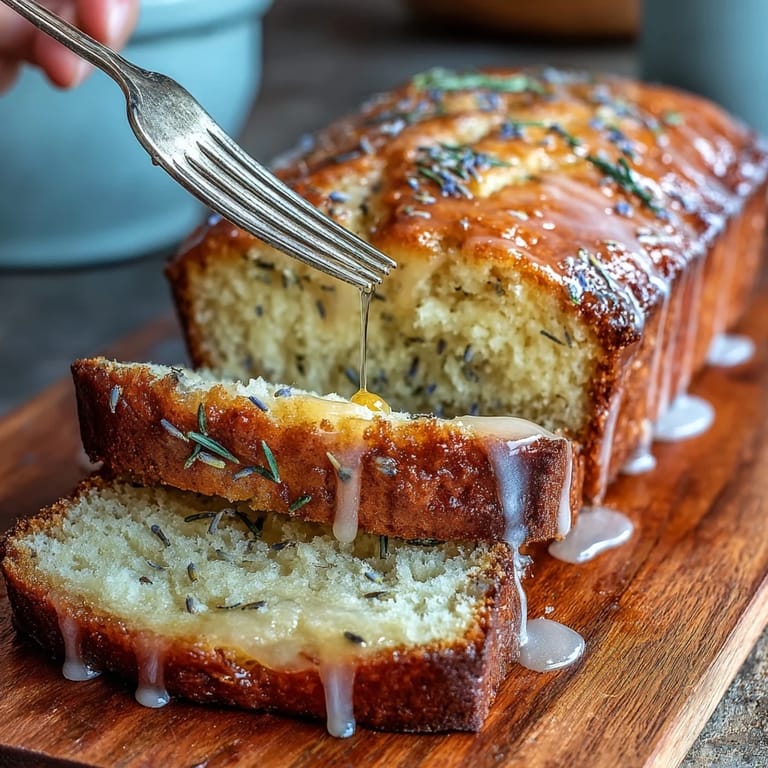
- When the loaf is cool, drizzle the glaze in gorgeous ribbons; the glossy top always elicits a little applause.
 Save
Save  Save
Save We sliced into this loaf at my cousin’s baby shower, and there was a hush as everyone paused to savor that first nibble. For a moment, I forgot about the decorations and the playlist—this cake was the center of the room, quietly making the celebration that much sweeter.
What to Expect from the Texture
This cake lands soft and plush, with a peek of crumb that holds together just enough to catch every drop of glaze. The lavender is never overpowering, and each mouthful is dotted with tiny flecks of zest that pop in the light.
Customizing Your Lemon Lavender Loaf
If you’re tempted to tweak, swapping in orange or even Meyer lemon zest will shift the flavor in wonderful ways. I’ve even tried adding a touch more yogurt for extra tang when the mood strikes—no two loaves have been exactly the same, and that’s half the fun.
Tips for Serving and Storing
Serve this loaf slightly warm for the most aromatic experience, but don’t be shy about storing slices in the fridge—they stay moist for days. Wrapped tightly, it makes an ideal surprise for a neighbor or a sweet midnight snack.
- Let the glaze fully set before slicing for the neatest pieces.
- Freeze extra slices in parchment for solo moments of joy.
- Remember that a pinch of extra zest sprinkled before serving makes it look bakery-fancy.
 Save
Save 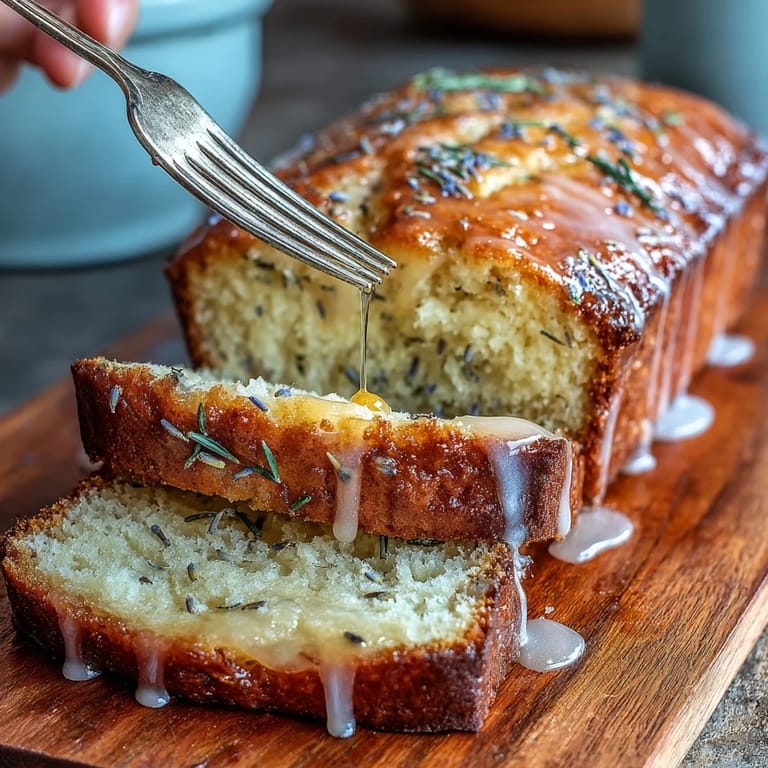 Save
Save Whether it’s a gathering or just a quiet cup of tea, this lemon lavender loaf brings a little brightness to wherever you are. Here’s to happy baking and sunny slices!
Recipe FAQs
- → Can I use fresh lavender instead of dried?
Use culinary-grade dried lavender for a controlled floral note. Fresh lavender can be more intense and moist; if using fresh, reduce quantity and finely chop the blossoms, or infuse the milk and strain to balance flavor.
- → How do I check the loaf is done?
Insert a toothpick or skewer into the center; it should come out with a few moist crumbs but not wet batter. The top should be golden and spring back slightly when pressed.
- → What if I want a stronger lavender flavor?
Infuse the milk with lavender: warm milk with the buds for 10–15 minutes, cool and strain before adding. Alternatively, gently increase the dried lavender by 1/2 teaspoon, tasting the infusion first.
- → Can I substitute yogurt with something else?
Greek yogurt adds moisture and slight tang; replace with sour cream for similar results or use an equal amount of buttermilk for a looser batter and tender crumb.
- → How should I store leftovers?
Keep the cooled, glazed loaf in an airtight container at room temperature for up to 2 days, or refrigerate for up to 5 days. Bring slices to room temperature or warm briefly before serving.
- → Is freezing the loaf an option?
Yes—slice or wrap the whole loaf tightly in plastic and foil, then freeze up to 2 months. Thaw in the fridge overnight and glaze or refresh under a low oven if desired.